Roof Restoration Experts
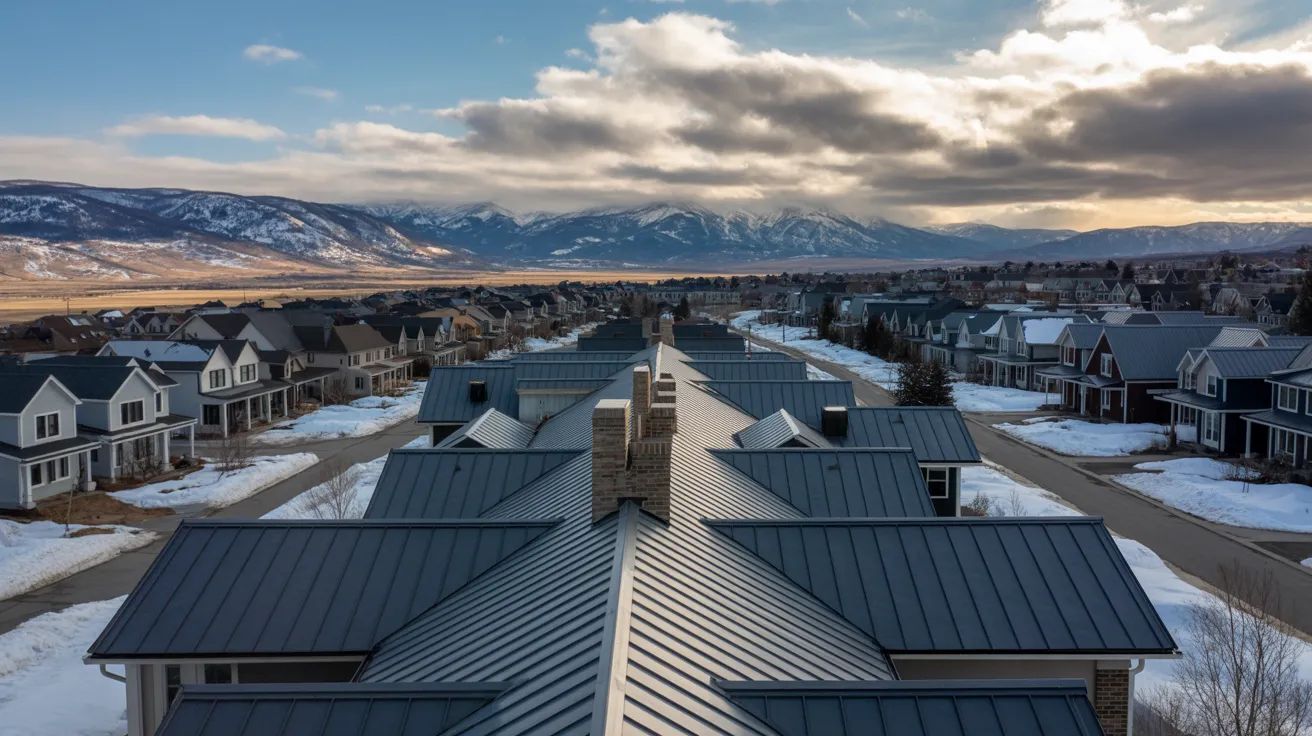
Your Great Falls roof must withstand extreme sun exposure, wind stress, heavy snow, and freeze-thaw cycles. Metal roofing systems generally surpasses asphalt in resisting impact damage, fire damage, uplift forces, and rapid weathering, plus sheds snow more readily. Look for cracked shingles, loose flashing, moisture entry, granule erosion, or sagging sections after storms occur. A qualified local roofer will check the decking, underlayment, ventilation, evaluate storm-related damage, and suggest repair or full replacement for long-term performance.
Key Takeaways
- Your Great Falls roof must withstand intense UV, wind stress, substantial snowfall, and temperature swings that worsen leaks plus component degradation.
- Metal roofs perform for 40 to 70 years, stand up to wind, fire, and impact superior to asphalt, and shed snow readily.
- Asphalt shingles have lower upfront costs but wear faster normally, experiencing curling, cracking, and granule loss in Great Falls weather.
- Red flags are fractured shingles, loose flashing, rusted valleys, discolored ceiling, moisture in attic, plus storm-related damage across several roof slopes.
- Great Falls roofing experts offer roof inspections, leak diagnostics, storm repairs, emergency tarping, and skilled metal roof installation with proper underlayment and flashing.
Ways That Great Falls Weather Affects Roofing Systems
Since Great Falls has powerful UV rays, strong wind, hailstorms, deep snow, and quick temperature changes, your roofing system deals with continuous stress that may shorten lifespan. UV exposure dries out roofing materials, weakens sealants, and accelerates wear. Wind separates perimeter areas, sends precipitation into sensitive connections, and loosens flashing around penetrations.
Weight from snow places load, and ice blockages contain precipitation along eaves and raise risk of leaks. Freeze and thaw cycles enlarge tiny cracks, separate roof seams, and degrade underlayment. Hailstones damage the surface, break coating layers, and leave exposed underlying materials to moisture intrusion. You additionally encounter microclimate influences: southern exposures heat quicker, shaded areas stay damp extended periods, and windward areas wear harder. Regular inspections allow homeowners catch storm damage early, protect water drainage
Metal Roofing versus Shingles in Great Falls
When you evaluate metal panels to asphalt shingles in Great Falls, the choice usually comes down to weather resistance, lifespan, maintenance, and long-term cost. Metal roofs withstand impact, fire, and wind better than asphalt materials, and they typically last 40 to 70 years instead of 15 to 30.
You'll usually spend more upfront for metal roofing, but you may replace it less often and perform fewer maintenance tasks. Shingles cost less initially and provide simpler targeted repairs, but they can become damaged, crack, or shed granules faster. Metal also enables better snow shedding, which can reduce accumulation when correctly installed with guards. If you're considering solar panel installation, metal often provides easier attachment options and reduced holes and penetrations. Your best choice depends on budget, how long you plan to own the property, and the level of upkeep you're able to manage.
Why Metal Roofing Functions in Montana
Built for thermal fluctuation, intense winds, significant snow, and extreme UV exposure, metal roof systems thrives in Montana's challenging climate. Your home gains a system that manages temperature changes, rapidly removes moisture, and sustains building integrity during freeze and thaw processes. Connected panels, concealed attachments, and state-of-the-art coatings limit uplift risk, corrosion, and solar damage.
Furthermore, you benefit from excellent snow removal, which reduces static roof weight and shields structural elements. Given that metal systems reflects solar energy, it helps limit unwanted attic warmth during scorching, arid months. Low water absorption capability supports performance reliability when faced with icy and snowy conditions. Metal roof longevity is crucial in Montana, where persistent weather impacts reduces the life of less robust materials. Utilizing appropriate underlayment, good ventilation, and proper installation, the roofing remains durable, efficient, and stable for decades with next to no maintenance.
Signs You Require Roof Maintenance
Uncovering roof defects promptly prevents damage to the building, water intrusion, and substantial replacement expenses. Scan for shingle cracks, loose flashing, visible metal fasteners, oxidized valleys, and deteriorated caulking around vents, skylights, and chimney areas. In the living areas, note brown stains, damp insulation, fungal issues, or daylight visible through decking
Post-storm inspection should check for striking damage, shifted roofing components, and granule loss in gutters. Seeing granule erosion helps detect deteriorated asphalt sections before water breaches the underlay. Weak attic ventilation likewise causes problem signs: extreme heat, frost, condensation buildup, and shingles curling ahead of schedule. If power consumption increases unexpectedly, moisture and warmth may be affecting roof integrity.
Get professional fixes whenever you spot sunken areas, ongoing moisture, or unfastened metal edges. Swift intervention maintains roofing layers, insulation, and household interiors.
Roof Replacement When It Makes More Sense
You should assess roof replacement when severe weather damage affects large sections, damages structural components, or surpasses feasible repair costs. If you continue paying for repeated leaks, failed patches, or frequent service calls, new roof installation often gives you better long-term value. An aging roof system at or beyond its expected lifespan cannot protect your property effectively, even if individual repairs may appear possible.
Extensive Storm Damage
When a major storm affects large sections of your roofing, a full replacement often provides superior financial and structural sense than repeated repairs. After hail aftermath, wind uplift, or branch punctures, you may experience damaged decking, wet underlayment, and widespread shingle failure that fix-ups cannot effectively address.
You need a system-level evaluation, not temporary fixes. Storm forces often damage seals, loosen fasteners, and create hidden moisture paths around valleys, vents, and flashing. Following cleanup, trapped water can continue damaging sheathing and insulation below the surface. If damage affects multiple slopes or compromises the roof assembly, replacement provides consistent protection, code compliance, and manufacturer-backed performance. It essential information also lets you upgrade ventilation, underlayment, and impact-resistant materials so your next severe storm won't exploit the same weak points again.
Repeated Repair Costs
Often, recurring leak repairs, shingle replacements, and flashing fixes accumulate higher costs compared to a scheduled roof replacement. If you're requesting service every season, you're probably caught in spending cycles that drain your budget without addressing deck, ventilation, or underlayment problems. Minor repairs may restore function briefly, but they seldom provide system-wide performance.
You should compare yearly repair costs versus replacement pricing, rising labor costs, and material matching problems. Repeated fixes additionally generate warranty gaps, especially when several contractors handle separate sections or different product lines. These gaps may leave you covering costs yourself if new problems emerge around earlier repairs. A complete replacement provides you one integrated assembly, predictable installation standards, and a cleaner maintenance schedule. Often, that refresh lowers overall roofing expenses and minimizes operational disruption markedly.
Aging Roof Systems
When roof systems age
Replacement represents a better option when inspections identify decking water intrusion, extensive granule erosion, insulation damage, or poor ventilation balance that magnifies heat and condensation problems. You must also evaluate code compliance requirements, fastening strength, and material compatibility regarding contemporary materials. Complete replacement enables correction of hidden damage, optimize drainage systems, and apply a setup suitable for contemporary demands. Initial costs are higher, yet emergency repairs reduce, interior water damage minimizes, and long-term cost savings materialize.
Storm Damage Management by Great Falls Roofers
Because intense storms can damage roof structures in moments, Great Falls roofing professionals start damage assessment with a fast, systematic inspection of roofing components, fasteners, layers, roof deck, and metal surfaces to locate both obvious damage and concealed moisture paths.
After initial storm evaluation, you get a documented scope of deterioration, water penetration, and structural hazard. Roofers perform debris removal first so fallen limbs, ice chunks, and loose objects stop scraping the roof or blocking drainage paths. They cover vulnerable areas, patch holes, reinstall shifted shingles, secure flashing components, and verify fastener condition on metal sections. Should moisture penetrate decking, they'll test for saturation, delamination, and mold-prone zones before approving repairs. You receive photographic evidence and dimensional data that support insurance claims and assist in ranking critical fixes versus appearance-related work.
Installing a Metal Roof System
From initial removal through final components, metal roof installation methods maintain required order protecting residences and assuring system function. Removal of existing roof commences first, deck evaluation takes place, and damaged deck sections are replaced. Slope confirmation, measurement verification, ventilation path assessment, and fastening zone identification follows achieving proper positioning.
Afterward, edge trim materials, moisture barriers, and underlayment choice are determined by climate factors, roof slope, and code standards. From a square starting reference, sheets are fastened following manufacturer requirements. For standing seam style designs, vertical elements are locked tight and aligned consistently directing water runoff and accommodating expansion. In final steps, roof penetrations get sealed, peak and edge components are installed, transition zones are sealed, and a final walkthrough with checklist verifies weather protection and appearance.
Services professional Roofing Experts Deliver
Whether you require a routine repair or a full replacement, Great Falls roofing contractors typically handle inspections, leak identification, storm damage repairs, reroofing, new roof setup, and maintenance programs for both both residential and business properties.
Other services available feature flashing replacement, ventilation fixes, gutter additions, skylight sealing work, and ice dam mitigation. If hail or wind expose decking, they can execute emergency coverage to reduce moisture entry before permanent repairs are undertaken. For aging systems, they inspect underlayment condition, fasteners, roof penetrations, and drainage paths, then recommend focused repairs or full replacement as warranted. Numerous crews handle shingle roofing, metal standing seam, low-slope membranes, and roofing coatings. It's possible they catalog losses for insurance purposes and plan seasonal inspections to detect sealant issues, corrosive damage, panel looseness, and clogged valleys prior to matters diminish your roof lifespan.
Choosing the Right local Roofer
In selecting a Great Falls roofing contractor, you should ensure that they possess proper certification and maintain active insurance for liability and workers' compensation. Following this, assess the roofing materials they propose so that you can match performance metrics, service life, and expense for your undertaking. You must also assess the local experience, given that contractors knowledgeable about Great Falls climate conditions and code standards usually achieve better results.
Verify Licensing And Insurance
Earlier than finalizing a contract in Great Falls, ensure that the contractor maintains the necessary Montana state license and carries general liability insurance and workers' compensation coverage. Don't rely on verbal claims. Obtain the licensing information, business title, and copyright information, then execute verification by checking state databases and local databases. Confirm the company title on all file.
For policy verification, demand for current insurance certificates provided straight from the insurer or broker. Review policy identification, effective dates, coverage amounts, and exclusion limitations. Ensure that workers' compensation insurance protects all employee on the property. Should a roofing professional employs outside contractors, demand evidence they're insured also. Adequate insurance coverage and licensure protect you against exposure to personal liability, code violations, claim disputes, and scheduling delays. Should paperwork does not match, walk away.
Evaluate roof materials
With Great Falls roofs subjected to hail, strong winds, heavy snow, and dramatic temperature changes, you must compare materials across performance, service life, maintenance demands, and total installed cost—rather than focusing on the initial estimate alone.
Asphalt shingles often boast the most economical installation cost, yet impact resistance ratings, wind coverage warranties, and granule deterioration prove essential. Metal demands higher initial investment, however it sloughs off snow, offers fire resistance, and achieves superior energy efficiency through reflective coatings. Synthetic slate and composite shingles reduce weight loads while enhancing impact durability, even though product quality fluctuates. Obtain product documentation about Class 4 impact ratings, wind resistance, ice-dam resistance, and design lifespan. You need to review underlayment options, ventilation compatibility, fastening protocols, and repair accessibility. A low-cost roof grows more expensive eventually if it wears out early or demands continuous storm damage repairs and replacement needs.
Evaluate regional track record
Material choice plays a role, and the roofer's local reputation frequently drives how well that roof performs in Great Falls. You should check the timeframe a roofer worked in the area and whether they've managed hail impacts, snow loads, chinook winds, and freeze-thaw damage on matching properties. Local history shows whether teams know ventilation practices, ice dam management, flashing protocols, and Cascade County standards.
Ask for locations of latest work, then review workmanship from the ground. Review Contractor testimonials for trends: scheduling, cleanup, warranty response, and change-order accuracy. You should also verify vendor connections and permitting knowledge, because experienced local contractors usually source materials faster and resolve inspections with fewer delays. A roofer with proven Great Falls experience minimizes installation dangers and enhances long-term roof performance for your home.
Popular Client Questions
Can regional contractors offer Financing options for New Roofs?
Yes, quite a few Great Falls roofers make available payment plans for new roofs. You typically may decide on payment options through the contractor or from a third party. Count on provisions based on project cost, loan length, and your credit profile. Most lending sources call for background checks before approval, and some offer competitive rates for approved borrowers. You must compare APR, fees, down payment requirements, and prepayment terms before accepting any roof financing agreement.
Are most roofing estimates in Great Falls without charge?
Yes, roofing estimates in Great Falls are commonly free, especially when contractors deliver complimentary inspections for repairs or replacements. You should expect a formal estimate that outlines materials, labor, timeline, and cost breakdowns. Some companies may require payment for detailed reports, specialty diagnostics, or insurance documentation. Before you schedule, ask what the estimate covers, whether inspections are complimentary, and if added fees apply to complex roof conditions or access.
What length of time do roofing warranties typically cover in Great Falls?
Like a safety feature for your roof, warranties in Great Falls usually run 20–50 years for Manufacturer warranties, depending on material and product tier. You'll often get Labor warranties for 2–10 years, though some contractors give longer coverage. You should verify what's prorated, transferable, and excluded, especially for wind, ventilation, and installation errors. Review the fine print so you recognize exactly what protection you're actually buying before signing.
Is roof work able to be scheduled during winter in Great Falls?
Yes, you can schedule roof work during winter in Great Falls, but you'll must have weather contingencies. You can perform Winter repairs securely when workers track temperature, wind, ice, and material handling limits. You should anticipate delays during storms or extreme cold. Clearing snow often comes first so professionals can reach decking, pinpoint leaks, and secure flashing. You'll experience better results when you arrange early and stay flexible with scheduling windows.
Will Great Falls roofing companies help with insurance paperwork?
Yes, many roofing firms in Great Falls help you with insurance documentation after storm damage or impacts. You'll often access insurance assistance through documented inspections, photo documentation, scope summaries, and estimate comparisons. They may also aid claim coordination by connecting with adjusters, clarifying repair quantities, and aligning line items to policy coverage. You should still inspect your claim carefully, because your insurance provider approves payment terms, depreciation, deductibles, and final settlement amounts.
Summary
In Great Falls, your roofing system has to manage wind, snow, hail, and fast temperature changes without failing. That's why finding the roofing professional matters. Metal roof systems stands out because they can survive 40–70 years—often roughly two to three times longer than asphalt-based shingles. When you move forward early on repairs or replacement, you safeguard your property, lower long-term costs, and increase performance. Work with Great Falls roofing specialists who understand local climate and fit systems engineered to endure.